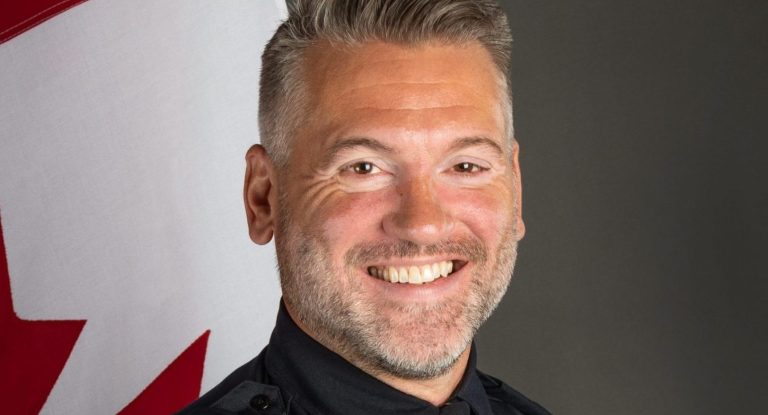
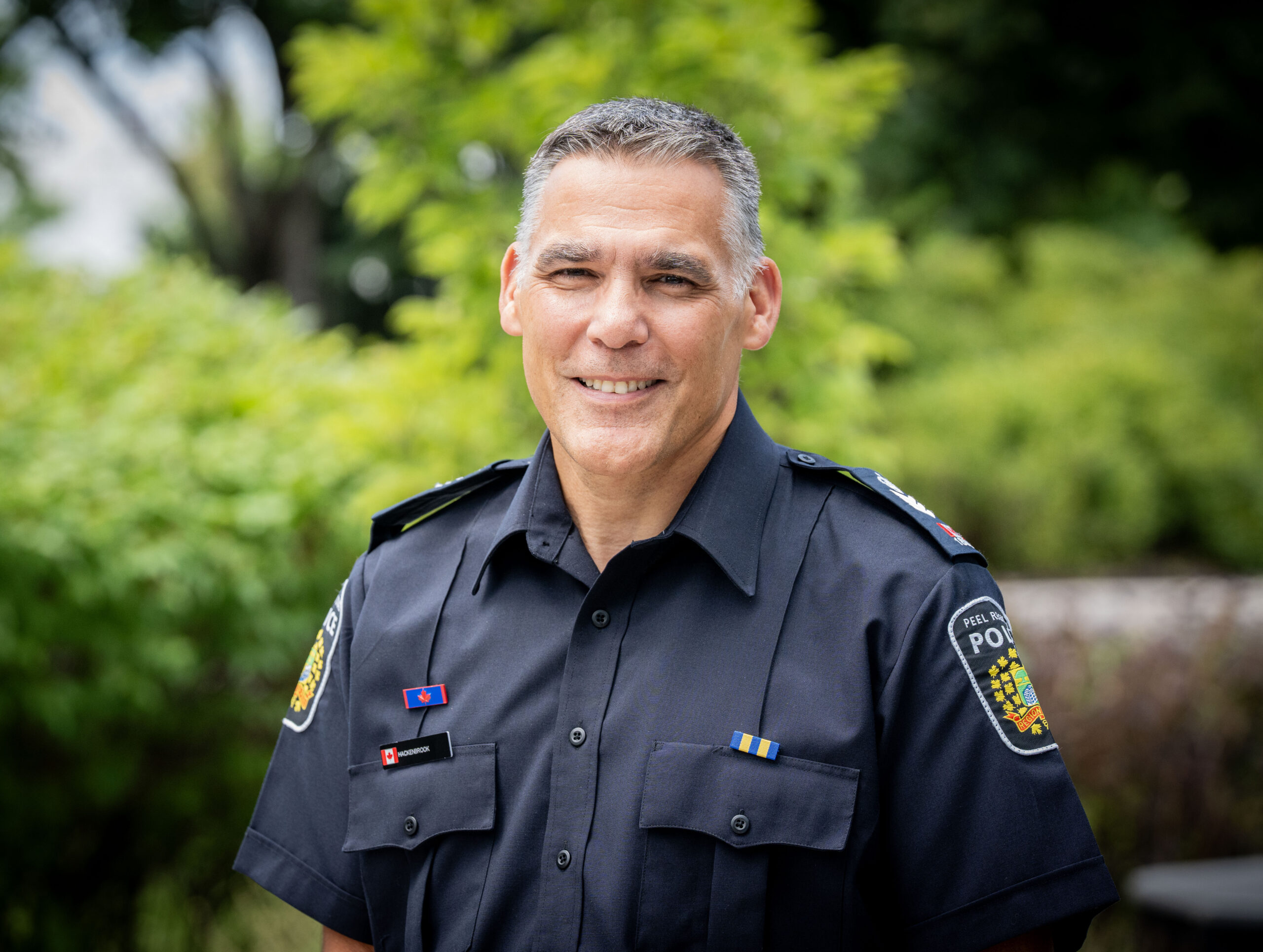
From Bob Hackenbrook, Staff Sergeant, Peel Regional Police’s Human Trafficking Unit
When I first started working in the human trafficking unit, I quickly realized how much I had to learn about the physical and psychological trauma survivors experience. I came to understand that recognizing exploitation and finding a way out can be far more difficult than it might seem from the outside.
Now, as Staff Sergeant with Peel Regional Police Service’s Vice and Human Trafficking Unit, I’ve learned that meaningful progress in the fight against human trafficking takes more than investigations and convictions. It requires building trust, meeting survivors where they are and working across agencies and borders to hold traffickers accountable and help survivors move forward.
Building trust takes time
One of the biggest lessons I’ve learned is that supporting survivors takes patience. In our line of work, we often say, “Slower is faster.” It can take time for someone to feel safe enough to open up to police, especially when their trafficker has taught them to fear or mistrust law enforcement.
It can also take time for survivors to make sense of what they’ve experienced and recognize the manipulation they’ve been subjected to. A young woman, for example, may believe she’s in a relationship with her boyfriend without realizing she’s being exploited. Traffickers often use manipulation, coercion and intimidation to establish and maintain control.
Our approach is to build rapport, listen and treat each person the way they want to be treated. That means checking in without applying pressure, being there when someone is ready to talk and being honest about what we can and can’t do. Trust isn’t built overnight, and it’s important that we never make promises we can’t keep.
Of course, we want survivors to feel comfortable speaking with police. Their statements can help secure convictions and ensure traffickers are not able to harm anyone else in the same way. But success doesn’t always mean obtaining a statement. Sometimes, it means helping someone access the support they need and take steps toward the life they want for themselves.
Supporting survivors beyond the investigation
A police investigation is only one part of a survivor’s journey.
Peel Victim Services’ human trafficking team, This Way Out, was developed with survivors, whose experiences and insights helped shape the support it provides. The team includes five counsellors who work with survivors to access the services and resources they need, whether that means finding a safe place to live or connecting with police if and when they feel ready to speak with investigators.
The team also has dedicated “soft rooms,” where survivors can feel safe and comfortable while speaking with service providers in a less clinical setting. Support extends beyond counselling, too. Survivors can access cellphones, clothing, food, help obtaining identification and travel assistance to get home. These practical resources can make a real difference for someone working to leave an exploitative situation and begin moving forward.
Collaboration makes a difference
Human trafficking doesn’t stop at municipal or provincial borders, so our response can’t stop there either. Collaboration between police services, community organizations and support providers helps us identify survivors, connect them with services and move investigations forward.
The Maddison Sessions, an annual human trafficking conference for Canadian law enforcement created by #NotInMyCity, has been a catalyst for strengthening those connections across Canada, making it easier for people to contact one another directly and coordinate a response. #NotInMyCity has also played an important role in building capacity and sharing knowledge nationwide.
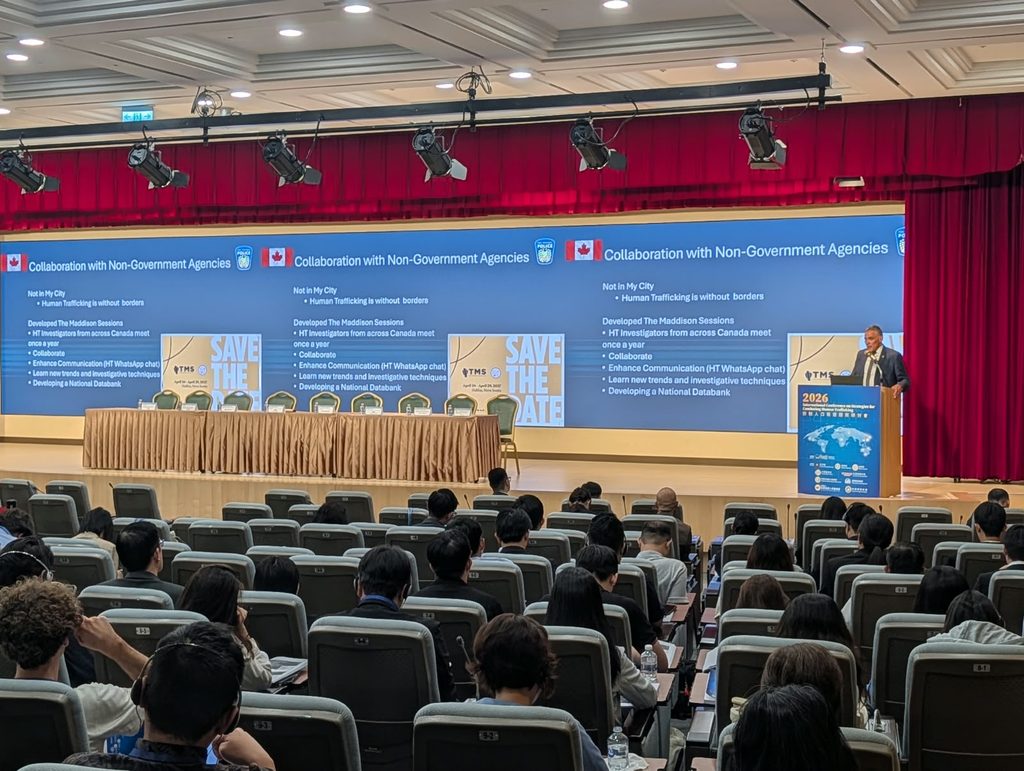
Earlier this year, I had the opportunity to attend the International Conference on Strategies for Combating Human Trafficking in Taiwan, where about 300 law enforcement and non-governmental organization representatives shared their knowledge and approaches. I presented on the work of my unit and #NotInMyCity, reinforcing the importance of collaboration across communities, provinces and international borders to learn from one another and strengthen our response.
The more effectively we work together, the more opportunities we have to support investigations and hold traffickers accountable.
Education is part of prevention
I sit on the board of the Peel Human Trafficking Service Providers Committee, a group of 36 service providers from a variety of sectors who work to raise awareness and address gaps in our response to human trafficking. We have started to “train the trainer,” delivering prevention education to groups such as hotels and restaurants, faith communities and other community organizations.
One thing I want the public to take away is you don’t have to be a police officer or work directly with survivors to make a difference. Learning about human trafficking, recognizing potential signs of exploitation and knowing where to turn for help all play a role in prevention and making communities safer. That’s why I encourage everyone to take #NotInMyCity’s free human trafficking e-learning. It’s accessible to anyone, anywhere, and offers practical information people can apply in their workplaces and communities.
Combating human trafficking starts with awareness, but it takes all of us working together to turn that awareness into action.
–
To take #NotInMyCity’s free, 30-minute e-learning course, visit notinmycitylearning.ca/.