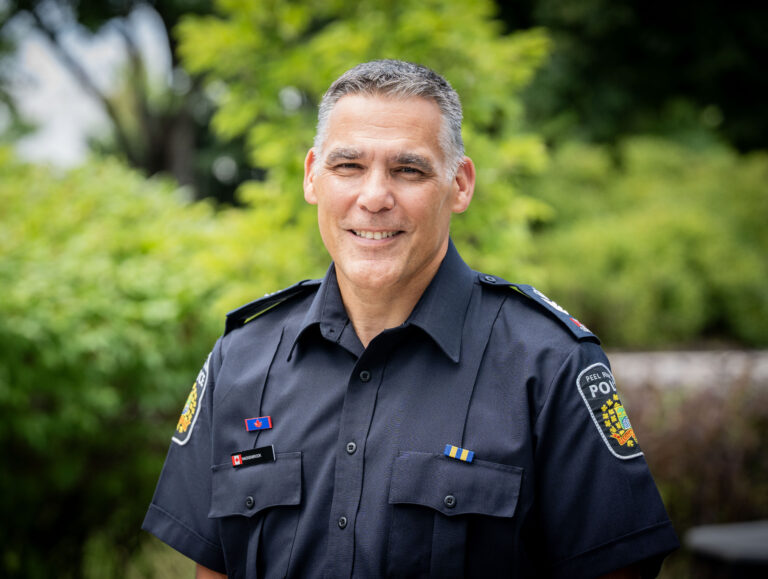

From Kym Boyko, Registered Nurse and Pediatric Trauma Coordinator at Stollery Children’s Hospital in Edmonton
Sometimes, the most important part of helping someone is taking the time to listen.
For Kym Boyko, that belief has shaped more than 26 years of emergency and trauma nursing. It also informs her work to help healthcare professionals recognize and respond to human trafficking and sexual exploitation.
Through her work, Kym has seen how healthcare settings can be a critical point of connection for people experiencing exploitation. Read on to hear her perspective on recognizing the signs, creating safer spaces for disclosure and turning awareness into action.
Recognizing what isn’t always visible
Throughout my career in emergency and trauma care, I’ve worked with people experiencing some of the most difficult circumstances. I’ve always believed that we need to approach everyone with kindness and understanding, and take the time to listen rather than make assumptions about what someone may be experiencing.
Human trafficking and sexual exploitation are also important considerations in emergency and trauma care. A person may come into hospital for an injury or another immediate concern, while the circumstances behind it remain hidden. Recognizing that possibility means looking beyond the presenting issue and paying attention to signs that someone may not be safe or free to speak for themselves.
I remember a young patient who came to the emergency department with a serious injury. The person accompanying her repeatedly answered questions on her behalf and insisted that the encounter had been consensual. Something didn’t feel right. By creating an opportunity to speak with the patient privately, we were able to understand what had happened and connect her with the support she needed.

That experience reinforced to my team how important it is to listen to our instincts, ask questions and give people time and space to share.
A critical point of connection
We often don’t realize how close to home human trafficking and sexual exploitation can be. People may assume these things happen somewhere else, to someone else’s family. The reality is that exploitation can affect people in our own communities, and healthcare workers may be in a position to recognize it.
A 2014 study found that 87.8 per cent of sex trafficking survivors surveyed had contact with a healthcare provider while being trafficked, and 63.3 per cent reported receiving care in a hospital or emergency department. These interactions represent important opportunities to recognize exploitation and connect someone with support.
But recognizing the signs is only part of the response. We need to create an environment where people feel safe enough to disclose what is happening. If someone feels like they’re being moved through a conveyor belt, they may not feel comfortable sharing their story. Taking the time to listen, speaking with someone privately and approaching them without judgment can make a difference.
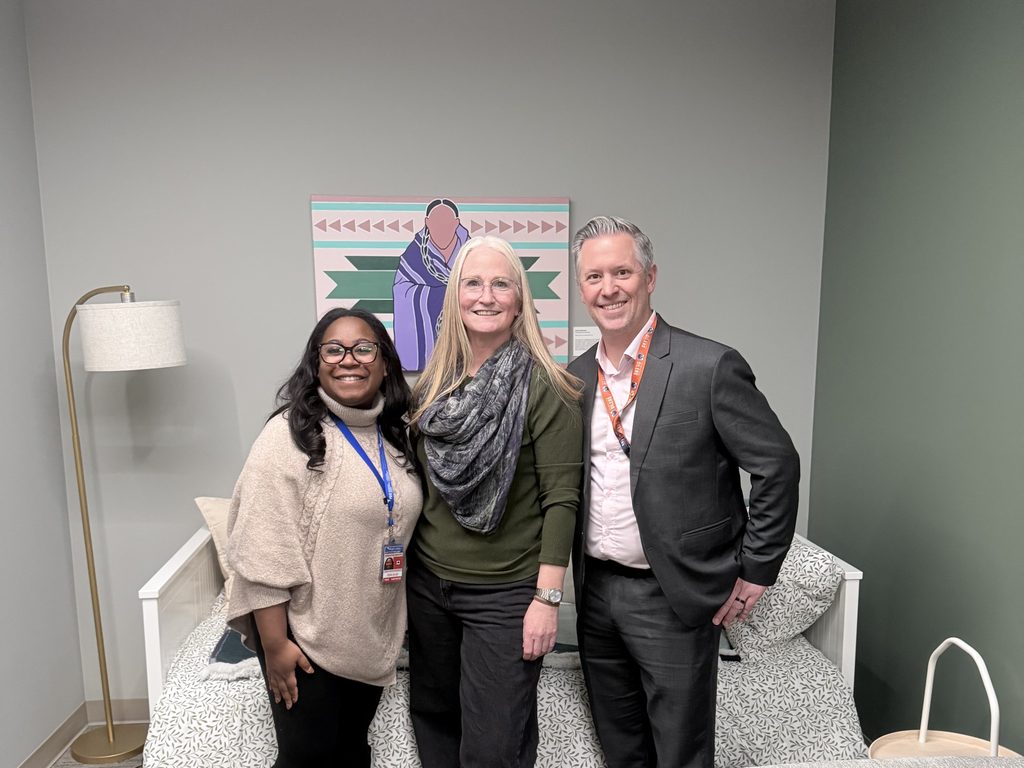
Continuing to develop the trafficking response in healthcare
Education is one of the most important tools we have. Through trauma-informed care training and initiatives like #NotInMyCity’s free e-learning, healthcare professionals can build their understanding of exploitation and become better prepared to meet people where they are.
I’m also working to make human trafficking related resources more accessible within hospitals, including advocating to implement #NotInMyCity’s yellow rose stickers, which can help connect people with support. Another priority is developing a dedicated safe room where patients can speak openly and be connected to resources.
I’ve dedicated much of my career to helping healthcare professionals feel better equipped to recognize and respond to human trafficking and sexual exploitation. Ultimately, I want to make sure that when someone experiencing exploitation comes through our doors, they are met with compassion, that someone takes the time to listen and that they have a safe place to turn for help. We still have work to do, but every step toward better understanding and response matters.
To learn more about human trafficking and what signs to watch our for in different workplaces and settings, visit notinmycity.ca/learn/.