
Earlier this week, Lethbridge Police intervened in a case that should alarm every Canadian. A 50-year-old man charged with multiple counts related to human trafficking, sexual exploitation and sexual assault involving vulnerable girls was granted bail, only to be re-arrested barely 30 minutes after for breaching his release conditions. He was found in close proximity to a teenage girl in a retail store.
This incident isn’t an isolated headline. It’s one of many that underscores a painful reality: when high-risk and serious offenders are released with minimal consequences, even pending trial, the risk to our communities, and especially to our children, becomes unacceptably high.
The Bail System at a Crossroads
Canada’s bail system is rooted in protecting fundamental rights: the presumption of innocence and the right not to be denied reasonable bail without just cause. But when cases like Lethbridge occur, where someone accused of heinous crimes walks free pending court proceedings, Canadians rightly ask: is the system working in the interests of Canadians or even public safety?
In late 2025, the federal government introduced the Bail and Sentencing Reform Act to mixed reviews in parliament with some arguing that the Bill does not go far enough to protect communities and children. Its aim is to make bail stricter, especially for repeat and violent offenders, by expanding “reverse onus” provisions that start with detention and require the accused to demonstrate why they should be released. It also proposes toughened sentencing laws for serious offences.
Across the country, public support for tougher bail standards is broad: According to an Abacus poll from September 2025, nearly eight in ten Canadians believe it’s too easy for people accused of serious crimes to be released on bail, with a similar number believing those with a history of violent repeat offences should be denied bail completely.
When the system repeatedly releases people accused of exploiting children and vulnerable youth, the cost of inaction becomes clear. Bail reform must prioritize community safety and survivor protection over procedural convenience. Once harm occurs, it cannot be undone.
Mandatory Minimums: A Clear Stance for Safety
The justice system must protect the vulnerable and deter egregious harm. Canada needs jail, not bail, for these kinds of serious crimes, and mandatory minimum sentences should be restored for the most serious offences to send a clear societal message of zero tolerance.
The rollback of previously established mandatory minimums, including for certain child sexual exploitation and abuse material offences, leaves gaps in accountability and punishment that many feel undermine public safety.
Mandatory minimum sentences currently apply only to a narrow set of crimes in Canada; for most offences, judges have broad discretion on sentencing. Restoring or expanding mandatory minimums for violent and exploitative offences against children would ensure consistency, protect victims, and reinforce that some harms demand definitive and consistent consequences.
What You Told Us Matters
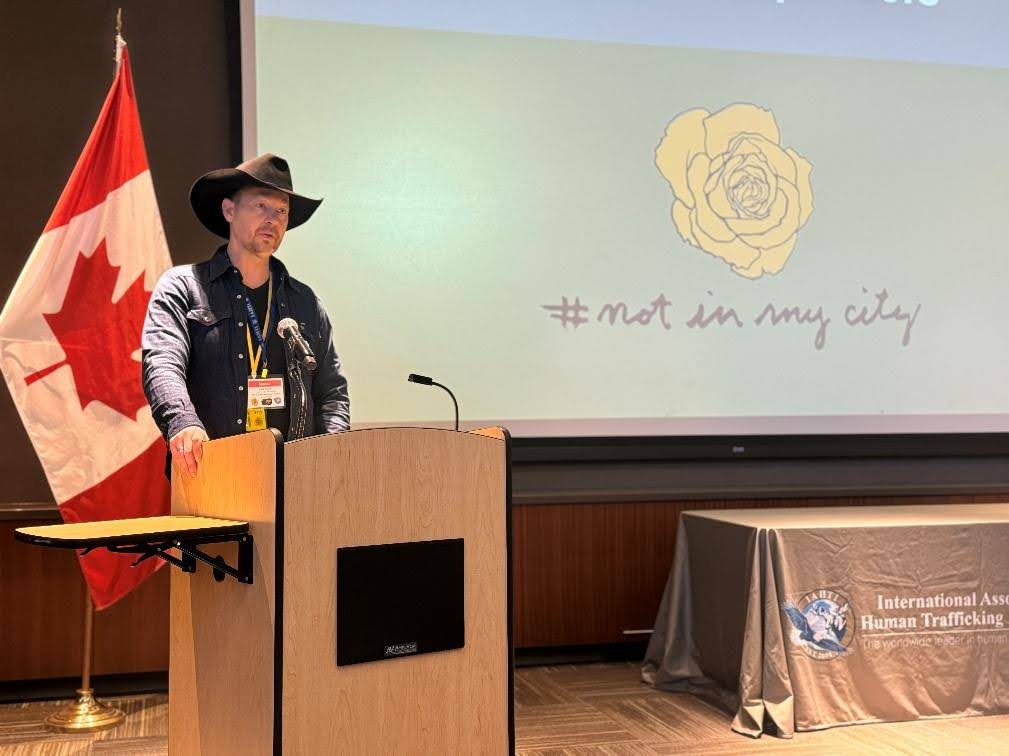
A national survey conducted on behalf of #NotInMyCity in December 2025 found that most Canadians overwhelmingly believe that human trafficking demands tougher consequences. Survey respondents support denying bail to traffickers (90%) and imposing mandatory minimum prison sentences of at least four years (89%), reflecting a shared view that lenient release and sentencing practices fail to protect victims and allow exploitation to continue.
What We Can Do Together
Public safety isn’t a partisan talking point, it’s a collective responsibility. When someone accused of trafficking and sexual assault is released and then immediately breaches bail, it’s a warning sign that our justice system’s balance between rights and safety needs recalibration.
We must push for bail laws that keep high-risk individuals out of the community, sentencing standards that reflect the severity of their crimes, and a justice system that prioritizes the protection of the vulnerable. #NotInMyCity stands with survivors, supports evidence-based reform, and calls on lawmakers at all levels to act with urgency and resolve.
Change only happens when Canadians speak up. We invite you to add your name to #NotInMyCity’s petition calling for stronger bail laws and mandatory minimum sentences for crimes involving the sexual exploitation of children. You can also take immediate action by writing to your Member of Parliament, or by using our pre-written form letter, to demand reforms that put child safety and survivor protection first.
To learn more about how you can be an ally, and to stay tuned for future fundraising events, follow #NotInMyCity on Instagram or Facebook!